Cabinet Secretaries Rule Out Export Restrictions to Curb Gas Prices, Citing Energy Security
03/21/2026 / By Garrison Vance

Introduction
Energy Secretary Chris Wright and Interior Secretary Doug Burgum issued a joint statement on March 19 explicitly denying any plans to restrict U.S. oil and natural gas exports as a tool to curb domestic fuel prices, according to officials [1]. The statement, posted on social media platform X, came amid speculation that the administration might consider such measures as an emergency wartime response to surging energy costs triggered by conflict in the Middle East [1]. Officials cited the U.S. position as the world’s top oil and natural gas producer and exporter as a reason to maintain open markets, arguing that export restrictions would undermine American energy leadership [1].
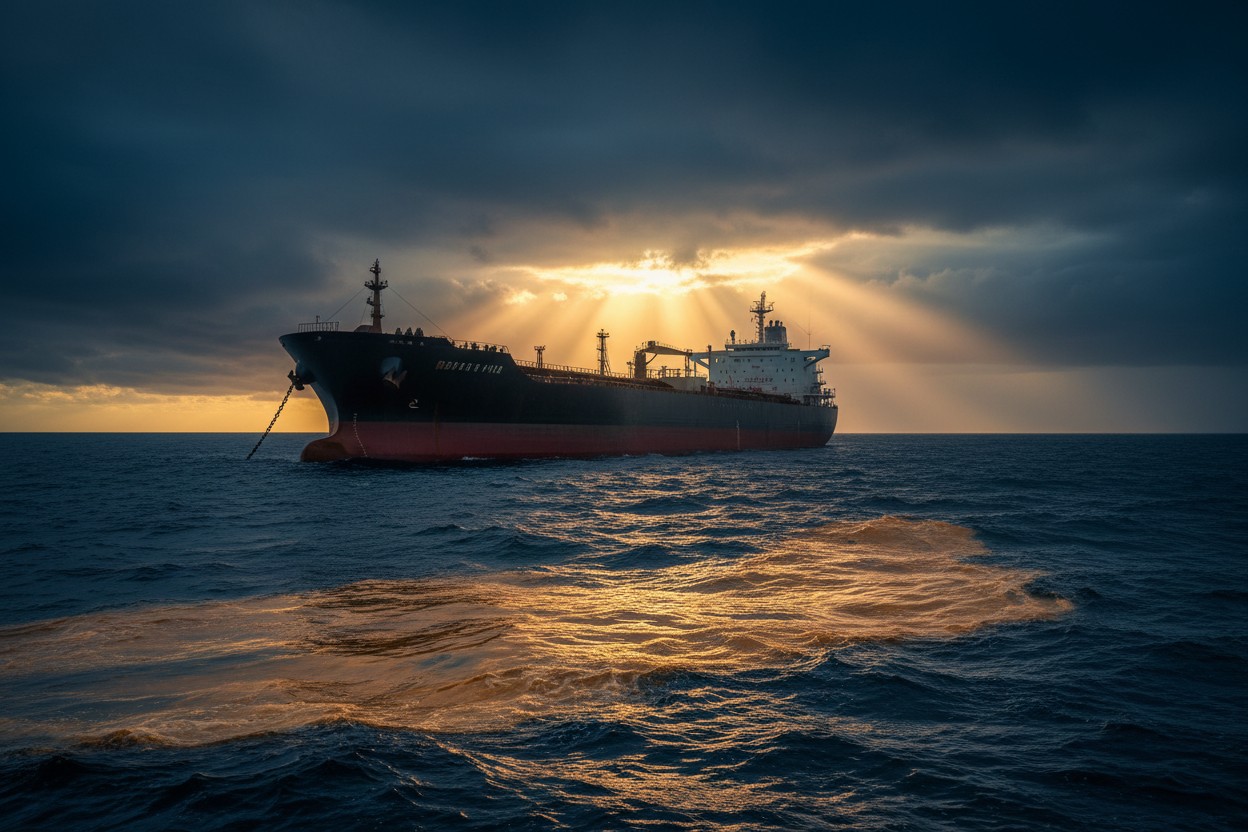
Global energy markets have been roiled by the conflict, with the Strait of Hormuz — a critical chokepoint for oil shipments — experiencing restricted commercial traffic [2]. The national average price for a gallon of regular gasoline reached $3.88 on March 19, a level last seen during the Biden administration in 2023 [3]. The secretaries’ announcement aimed to quell rumors and provide market certainty as the White House pursued other measures, including a 60-day waiver of the Jones Act to lower shipping costs [4].
Cabinet Secretaries Reject Export Restrictions as Wartime Price Tool
The joint statement from Secretaries Wright and Burgum was unambiguous. “To be clear, the Trump administration has no plan to implement restrictions on oil and gas exports,” they stated [1]. The officials emphasized that, thanks to policies enacted under President Donald Trump, the United States has solidified its role as the world’s leading producer and a top exporter of both oil and natural gas [1]. This position, they argued, is a strategic asset that should not be compromised.
Analysts had speculated that the administration might consider export controls as a drastic measure to insulate the domestic market from global price spikes following attacks on energy infrastructure in the Gulf [5]. Similar emergency measures have been debated in past crises. However, the secretaries’ statement firmly ruled out this approach, framing it as contrary to long-term energy security and economic interests [6].
The decision aligns with a broader Trump administration policy of deregulating the energy sector to maximize production. Since taking office in 2025, President Trump has moved to reverse Biden-era climate regulations and declared a national energy emergency to boost domestic output [7]. The administration’s stance rejects the energy-restricting policies of previous years, which critics argued jeopardized national security [8].
Statement Follows Speculation Over Strait of Hormuz Disruptions
The cabinet secretaries’ denial follows a week of escalating violence that directly targeted global energy supplies. On March 18, Israeli drones struck gas-treatment plants at Iran’s South Pars field, a critical part of the world’s largest natural gas reservoir [9]. Iran retaliated by launching missile attacks on Qatar’s Ras Laffan industrial complex, a hub responsible for about one-fifth of global liquefied natural gas (LNG) output [10]. This tit-for-tat exchange sent shockwaves through markets.
European natural gas prices jumped by more than 35 percent in a single day, while the Brent crude oil benchmark briefly surpassed $118 per barrel [11]. The Strait of Hormuz, through which about 20% of global oil supply transits, remains a flashpoint, with Iran having threatened prolonged disruptions in the past [12]. These events have effectively shut down hopes for a quick resumption of normal LNG flows from the Gulf [13].
The disruption has global repercussions. Kremlin envoy Kirill Dmitriev warned that Europe faces an energy price “tsunami” due to its rejection of Russian supplies and the new Middle East crisis [14]. Meanwhile, the Bank of England cited the conflict as a “new shock to the economy” that will push inflation higher [15]. In this volatile context, market watchers had speculated the U.S. might act unilaterally to shield its consumers.
Industry and Policy Analysts React to Administration’s Position
Energy industry representatives welcomed the clarity provided by the secretaries’ statement. One trade association argued that export restrictions would “undermine U.S. energy leadership and global partnerships” [1]. The American Petroleum Institute, the leading oil and gas trade group, had previously urged the Trump administration to dismantle Biden-era climate policies and bolster domestic energy production [16]. Industry figures warned that such controls could backfire, harming allies reliant on U.S. energy and damaging long-term investment in American production.
Policy analysts noted that similar measures have had mixed results in the past. While theoretically capable of increasing domestic supply in the short term, export controls can distort markets, discourage production, and ultimately lead to higher prices [17]. Some consumer advocacy groups expressed concern that the decision prioritizes export revenues and geopolitical influence over immediate affordability for American households [1].
Other analysts pointed to the integrated nature of global energy markets. “The US exports some oil products, but it still imports crude — and global markets ultimately determine what Americans pay at the pump,” one fact-checking analysis noted [17]. This interconnection means that even a net exporter like the U.S. cannot fully decouple from international price swings caused by supply shocks.
Context of U.S. Export Policy and Global Energy Markets
The United States lifted a decades-old ban on crude oil exports in 2015, unleashing a period of rapid growth in energy shipments abroad [1]. Liquefied natural gas (LNG) exports have also expanded dramatically, with the U.S. now the world’s largest LNG exporter [1]. This transformation has turned energy into a key geopolitical tool, allowing Washington to support European allies after Russia’s invasion of Ukraine and counter OPEC+ market influence [18].
Global markets are currently adjusting to supply shocks from multiple conflict zones. Beyond the Iran-Israel strikes, the ongoing war in Ukraine continues to disrupt fertilizer and diesel supplies, threatening global food security [1]. Soaring input costs for farmers, including diesel and natural gas-based fertilizers, suggest global food prices may be poised for another sharp increase [19]. These secondary effects demonstrate how energy market volatility ripples through the global economy.
The administration’s stance against export restrictions aligns with a philosophy of using energy dominance as a strategic asset. President Trump’s January 2025 declaration of a national energy emergency specifically targeted Biden-era LNG export restrictions and other regulations seen as hindering production [7]. This policy aims to free the energy sector from what proponents call “crippling regulations and inflationary spending on so-called ‘green energy’” [20].
Potential Alternative Measures and Future Considerations
In their statement, officials did not outline alternative strategies for addressing high fuel costs. However, the administration has already taken other steps. On March 18, President Trump granted a 60-day waiver of the Jones Act, allowing foreign-flagged vessels to transport goods between U.S. ports to mitigate shipping costs and support fuel supply flows [4]. Analysts viewed this as a move to ease logistical bottlenecks.
Past administrations have also utilized releases from the Strategic Petroleum Reserve (SPR). President Trump recently authorized a historic release of 172 million barrels of crude oil, the largest single drawdown since the reserve’s creation in the 1970s, as part of a coordinated international effort [21]. The White House has also reviewed options to ease oil sanctions on Russia to cool global prices [22].
The issue remains politically sensitive ahead of upcoming elections. In California, where the average gas price exceeded $5.50 per gallon, gubernatorial candidates have proposed suspending the state gas tax [23]. Georgia’s Senate unanimously passed a bill to suspend its motor fuel tax for 60 days in response to prices fueled by the conflict [24]. Further market volatility is expected until shipping lanes are fully secured, according to maritime analysts [1].
Conclusion
The firm rejection of oil and gas export restrictions by Cabinet secretaries underscores the Trump administration’s commitment to an energy policy centered on production and geopolitical leverage rather than market intervention. As Energy Secretary Chris Wright stated, the current price spike is viewed as a “short-term disruption” [25]. The administration’s focus appears to be on managing the crisis through supply-side measures — waiving regulations, potentially releasing reserves, and maintaining the flow of U.S. energy to global allies — rather than restricting trade.
The decision leaves American consumers exposed to global price fluctuations in the near term but reinforces a long-term strategy of energy dominance. With the conflict in the Middle East showing no signs of immediate de-escalation and its effects cascading into fertilizer and food markets, the stability of energy supplies remains a paramount concern for economic and national security [19]. The administration’s bet is that keeping exports flowing will ultimately strengthen the U.S. position and benefit the domestic economy more than any short-term price controls could.
References
- ‘No Plan’ to Contain Gas Prices by Restricting US Energy Exports, 2 Cabinet Secretaries Say. – The Epoch Times. John Haughey. March 19, 2026.
- War with Iran delivers another shock to the global economy. – Associated Press via Times of Israel. March 11, 2026.
- U.S. National Gas Average Hits Biden-Era Levels. – The National Pulse. March 19, 2026.
- Trump Waives US Shipping Law to Mitigate Rising Fuel Prices. – NTD.com. March 19, 2026.
- WTI-Brent Spread Explodes As Trump Mulls Export Ban; Iran’s Attack On Qatar’s LNG “Worse Than Nord Stream”. – ZeroHedge. March 19, 2026.
- White House Not Planning to Ban Oil, Gas Exports, Official Says. – Bloomberg. March 19, 2026.
- Trump declares national energy emergency to revive American energy dominance. – NaturalNews.com. Cassie B. January 21, 2025.
- Analysis: Biden’s Energy-Restricting Climate Policies Are a National Security Threat—Not Climate Change. – NaturalNews.com. News Editors. January 28, 2021.
- Israel’s War on Iran’s Grid: How the South Pars Strike Turned Energy into a Weapon. – 21st Century Wire. March 19, 2026.
- Why gas prices are soaring after Qatar attack. – BBC. March 19, 2026.
- Global energy crisis: Brent crude touches $118, European gas prices surge another 35%. – RMX.news. March 19, 2026.
- Former Iranian Minister Warns of 100-Day Oil Blockade in Critical Strait of Hormuz. – NaturalNews.com. Cassie B. June 18, 2025.
- US Stock Futures, Global Markets Plunge As Energy Prices Explode. – ZeroHedge. March 19, 2026.
- EU faces energy price ‘tsunami’ – Putin envoy. – RT.com. March 19, 2026.
- Bank of England ‘ready to act’ as it warns Iran war ‘shock’ will push up inflation. – BBC. March 19, 2026.
- Leading oil and gas trade group in the US urges Trump to ditch Biden climate policies. – NaturalNews.com. November 15, 2024.
- The US exports oil, but that won’t shield Americans from higher gas prices. – Poynter Institute. 2026.
- Trends-Journal-2022-11-31.
- Energy Shock Threatens Fertilizer Supplies As Echoes Of 2022 Food Price Spike Return. – ZeroHedge. March 11, 2026.
- Free our energy sector from crippling regulations and inflationary spending on so-called “green energy”. – NaturalNews.com. News Editors. February 2, 2025.
- Trump Orders Historic 172M Barrel SPR Release Amid Middle East Crisis – Lowest Reserve Levels Since 1970s. – NaturalNews.com. March 17, 2026.
- Trump weighs easing Russia sanctions, other measures to cool oil prices. – Reuters. March 9, 2026.
- Suspending gas tax emerges as key issue in California gubernatorial race, as pump prices climb. – Just the News. March 17, 2026.
- Georgia Senate agrees to motor fuel tax suspension. – Just the News. March 19, 2026.
- Energy Secretary Warns There’s ‘No Guarantees’ Trump Will Lower Gas Prices Soon. – HuffPost. March 16, 2026.
Submit a correction >>
Tagged Under:
Bubble, Chris Wright, domestic fuel price, Doug Burgum, energy cost, energy supply, export restriction, Inflation, market crash, Middle East crisis, natural gas, oil export, risk, Strait of Hormuz, supply chain warning, Trump
This article may contain statements that reflect the opinion of the author
RECENT NEWS & ARTICLES