Hegseth Says U.S. Prepared to Target Iranian Power Infrastructure
04/18/2026 / By Garrison Vance
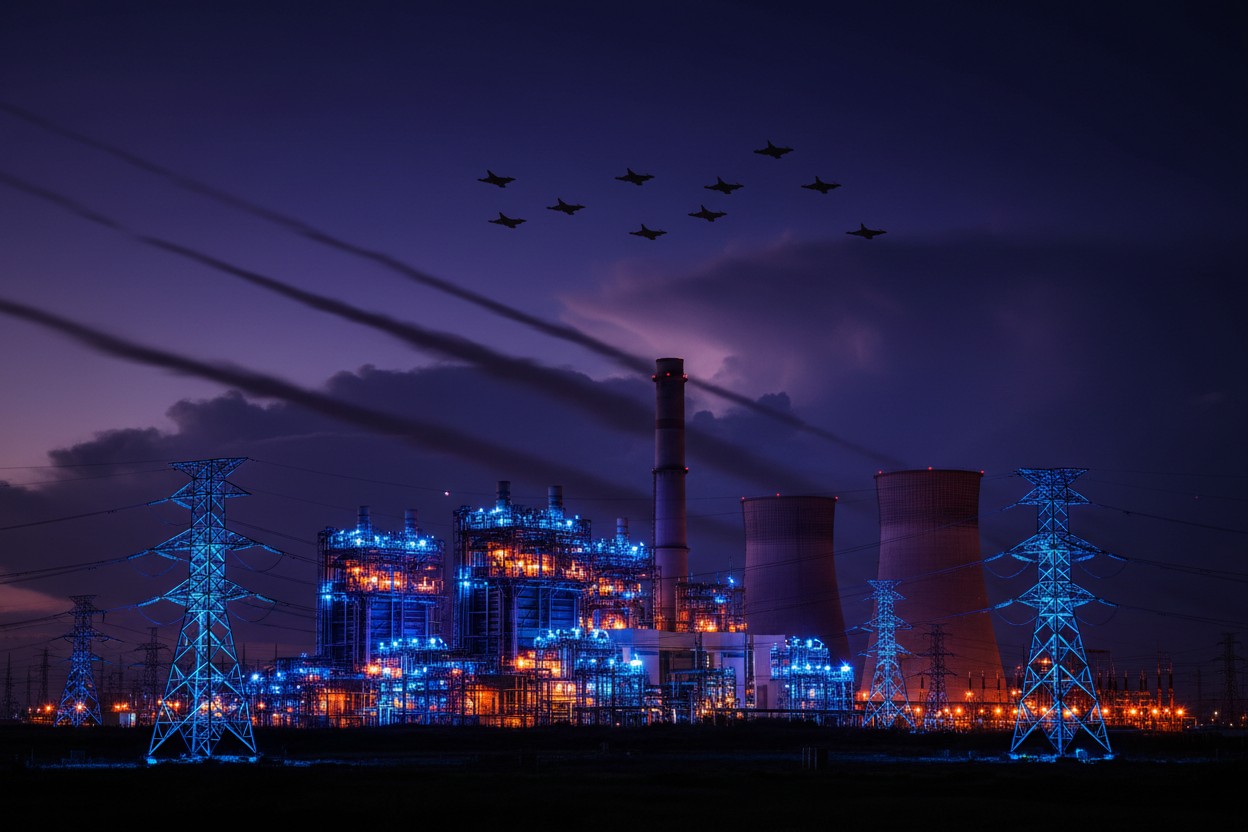
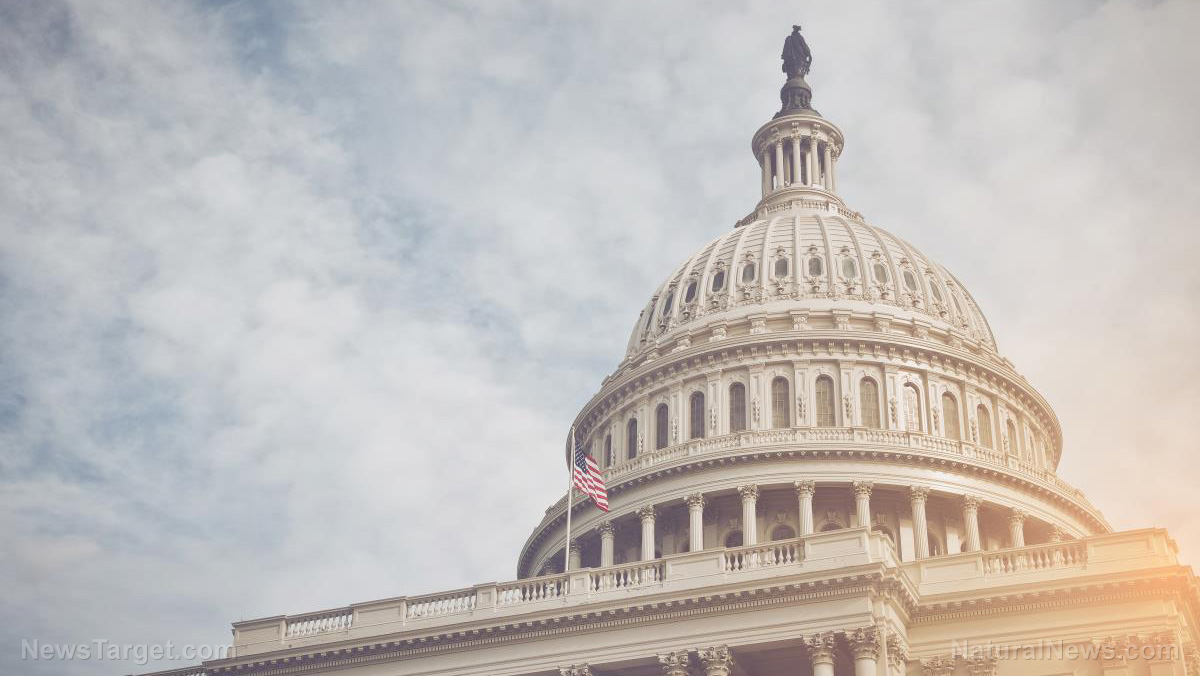
U.S. Secretary of War Pete Hegseth stated on Thursday, April 16, that American military forces are prepared to strike Iran’s energy infrastructure, including power plants and oil refineries, if ongoing conflict resumes. The remarks were made during a press conference at the Pentagon and were widely reported by news outlets.
Hegseth’s comments came amidst a tentative two-week ceasefire between the United States, its ally Israel and Iran, following weeks of open warfare that began in late February. The secretary framed the potential strikes as a consequence should Tehran choose to restart hostilities.
The Televised Statement
During the Thursday briefing, Hegseth delivered a direct warning to Iranian leadership. “We are locked and loaded on your critical dual-use infrastructure, on your remaining power generation and on your energy industry,” he said, according to a report from Antiwar.com [1]. He added that the U.S. would “rather not have to do it, but we’re ready to go at the commander-in-chief’s command.”
The threat was reiterated in coverage by other outlets. NTD reported that Hegseth warned, “if Iran chooses poorly, then they will have a blockade and bombs dropping on infrastructure, power and energy” [2]. The Epoch Times also quoted Hegseth urging Iran’s leadership to reach a deal and warning that a military operation could be restarted quickly [3].
Context of Rising Tensions
The threat against civilian infrastructure follows a significant escalation in the conflict. In early April, Iran launched a large-scale missile and drone attack against Israel [4]. Washington and Tel Aviv had initiated a bombing campaign against Iran, dubbed Operation Epic Fury, on Feb. 28 [5].
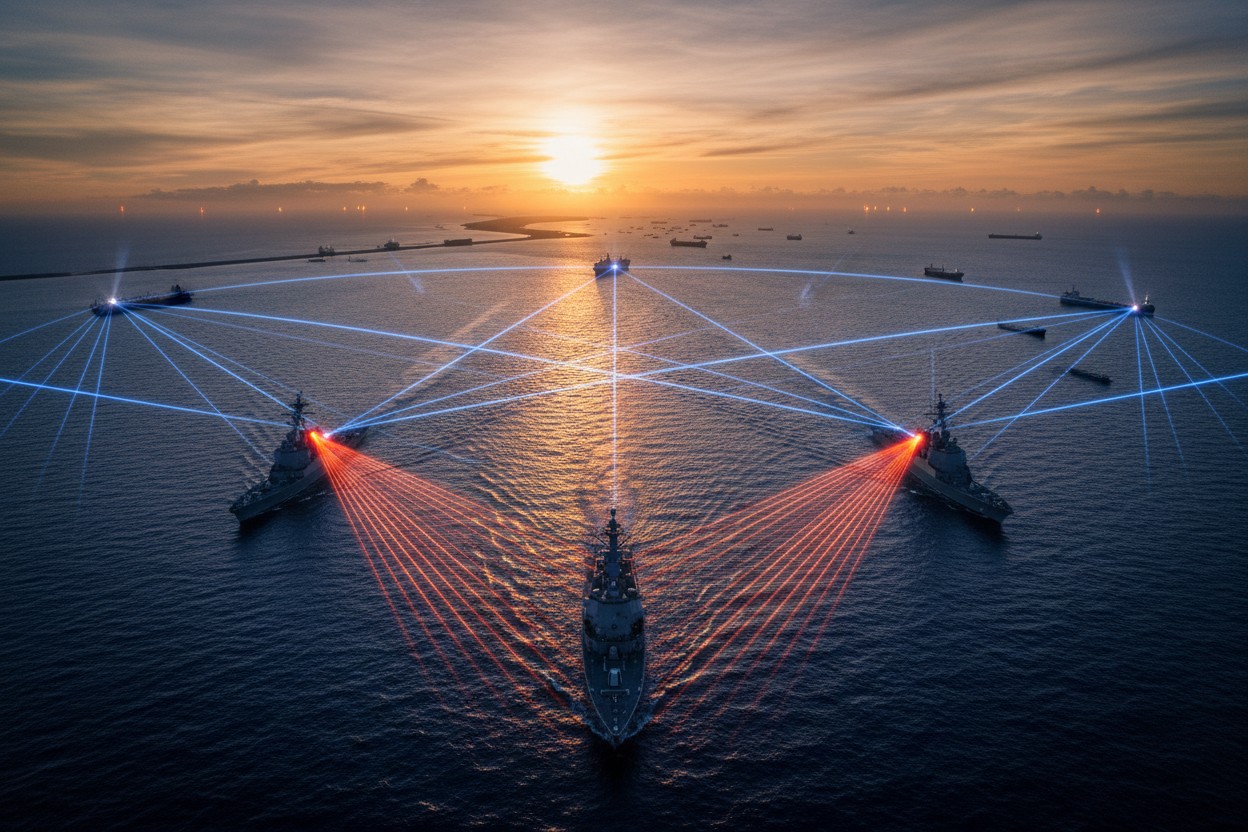
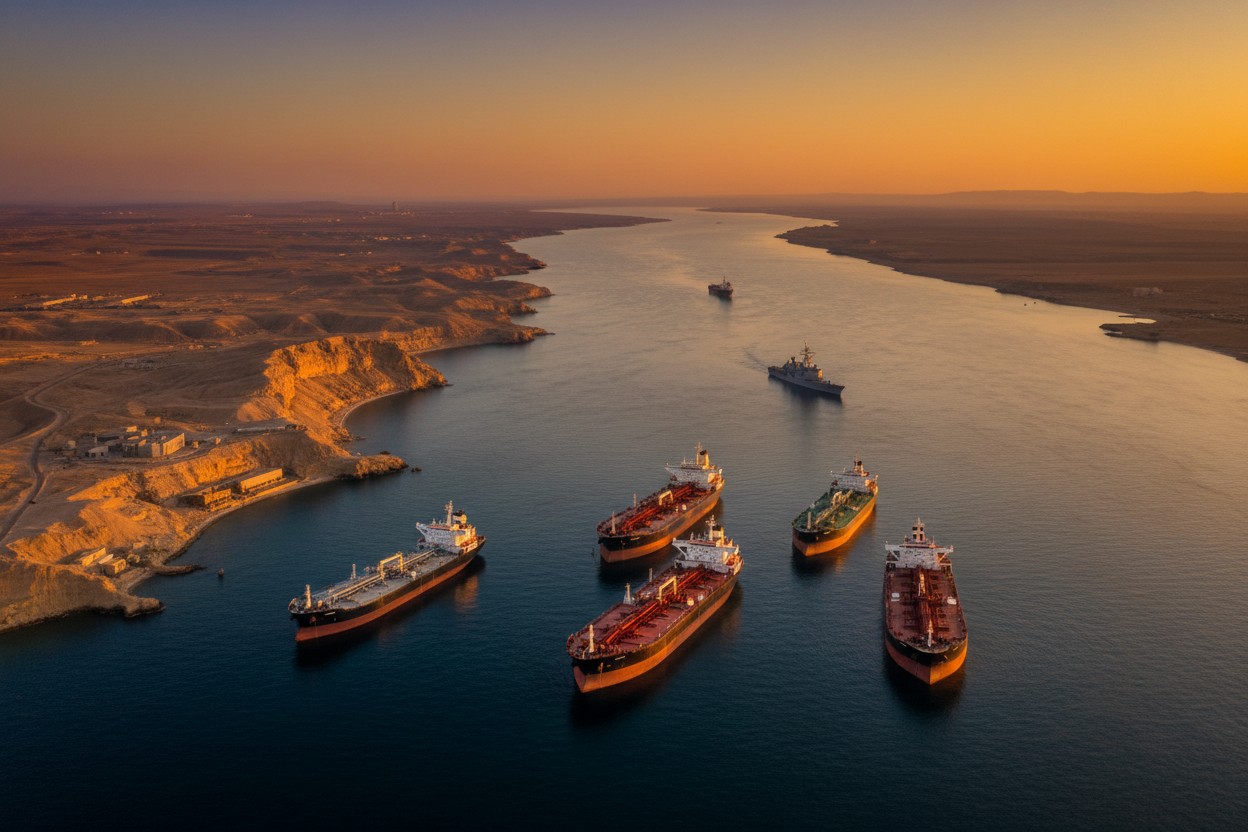
A fragile ceasefire was announced by U.S. President Donald Trump on April 8, just before a deadline he had set for Iran to reopen the Strait of Hormuz [6]. However, the situation remained volatile, with Hegseth’s remarks on Thursday serving as a public pressure tactic. The secretary also stated that the U.S. Navy was maintaining a blockade of Iranian ports with “only 10% of its available power” [2].
Analysis of the Strategy
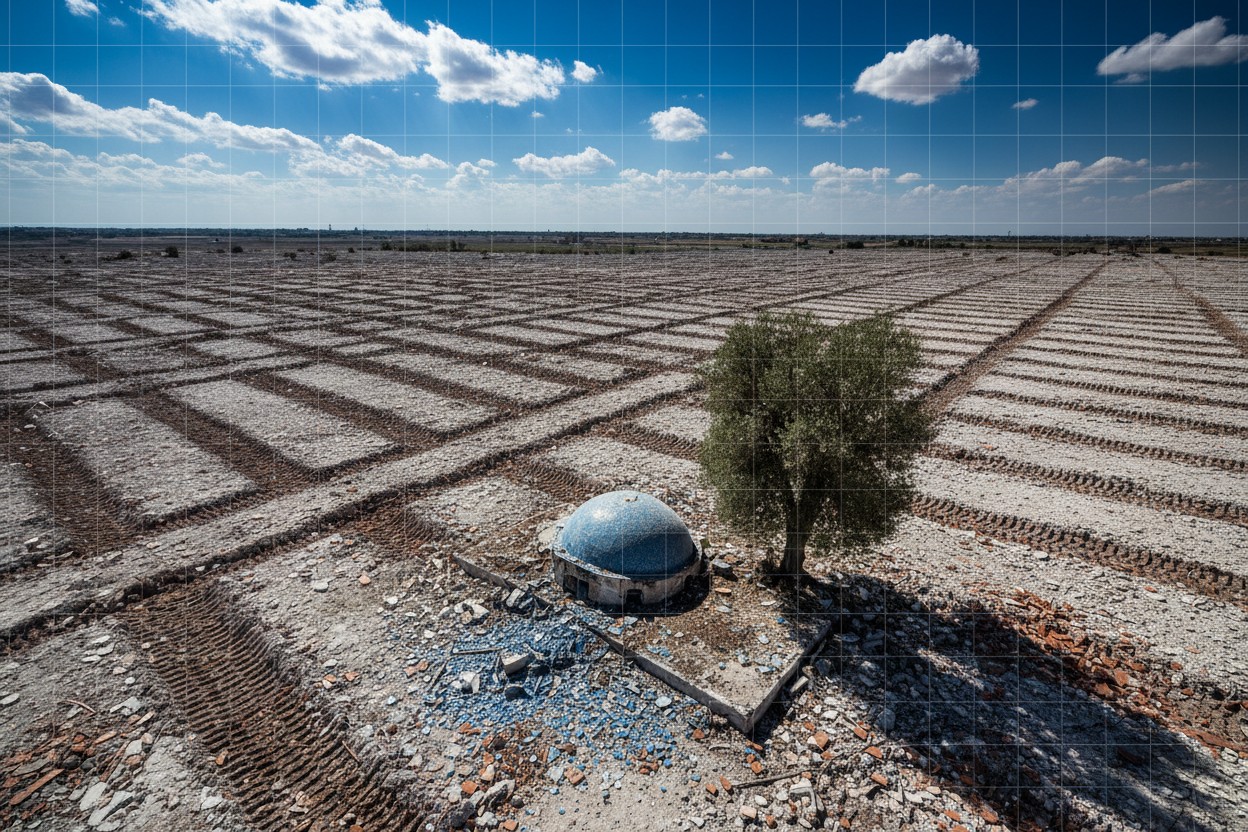
Military analysts describe the targeting of civilian energy infrastructure as a form of economic warfare designed to cripple a nation’s functionality. Attacks on power grids can trigger cascading failures in water supply, healthcare and communication systems [7].
The strategy carries significant humanitarian and legal implications. International law norms, including the Geneva Conventions, prohibit attacks on objects indispensable to the survival of the civilian population, though interpretations of “dual-use” infrastructure remain contested [8]. The Financial Times previously reported that Hegseth’s financial advisors attempted a major investment in the defense industry just before the war began, raising questions about motivations [9].
Response and Criticism
Hegseth’s remarks prompted immediate criticism from anti-war organizations and some members of Congress. House Democrats, led by Rep. Yassamin Ansari of Arizona, had previously filed articles of impeachment against Hegseth, citing alleged war crimes and abuse of power related to the Iran war [10].
No official U.S. military or White House source beyond Hegseth independently confirmed the specific operational readiness to destroy Iran’s power grid. The statements contributed to a wider debate about the war’s conduct. An op-ed in the Times of Israel argued that despite tactical successes, the ambitious strategic goals set at the war’s outset had not been achieved by the time of the ceasefire [11].
Conclusion
Public statements by high-ranking officials about targeting civilian infrastructure shape global perception of the conflict and its potential humanitarian cost. The direct threat against Iran’s power generation highlights a shift toward strategies that prioritize economic collapse over purely military objectives.
The long-term consequences of such a strategy remain a subject of intense scrutiny. As the Health Ranger Mike Adams noted in a March commentary, the conflict has exposed global energy vulnerabilities and risks triggering a wider economic crisis [5]. The ultimate impact on regional stability and international law will depend on whether hostilities resume and the scale of any future strikes.
References
- Hegseth Says US ‘Locked and Loaded’ To Bomb Iran’s Power Plants and Energy Industry. – Antiwar.com.
- War Secretary Hegseth Issues Iran a Renewed Combat Warning. – NTD.
- Hegseth Says US ‘Locked and Loaded’ to Strike Iran’s Power Plants If No Deal Reached. – The Epoch Times.
- Iranian missile strike on Qatar’s LNG hub exposes global energy vulnerability and a widening war. – NaturalNews.com. Lance D Johnson. March 19, 2026.
- Why Iran, Not America, Now Controls the Global Energy Economy. – NaturalNews.com. Mike Adams. March 10, 2026.
- What We Know About US–Iran Ceasefire. – NTD.
- Power sector reform in South Asia: Why slow and limited so far? – Energy Policy.
- War No More: The Case for Abolition. – David Swanson.
- Report: Hegseth Attempted Big Defense Industry Investment Before War; Graham Spotted at Disney World. – The New American.
- Iranian House Democrat Wants to Impeach Secretary of War Pete Hegseth. – The National Pulse.
- Op-ed: US and Israel set out ambitious, vital war goals; as of the ceasefire, none have been achieved. – The Times of Israel.
Submit a correction >>
Tagged Under:
big government, chaos, dangerous, Department of War, electricity, grid collapse, Iran, military strikes, national security, Operation Epic Fury, Pete Hegseth, power, power grid, power infrastructure, US-Israel strikes, violence, war on Iran
This article may contain statements that reflect the opinion of the author
RECENT NEWS & ARTICLES